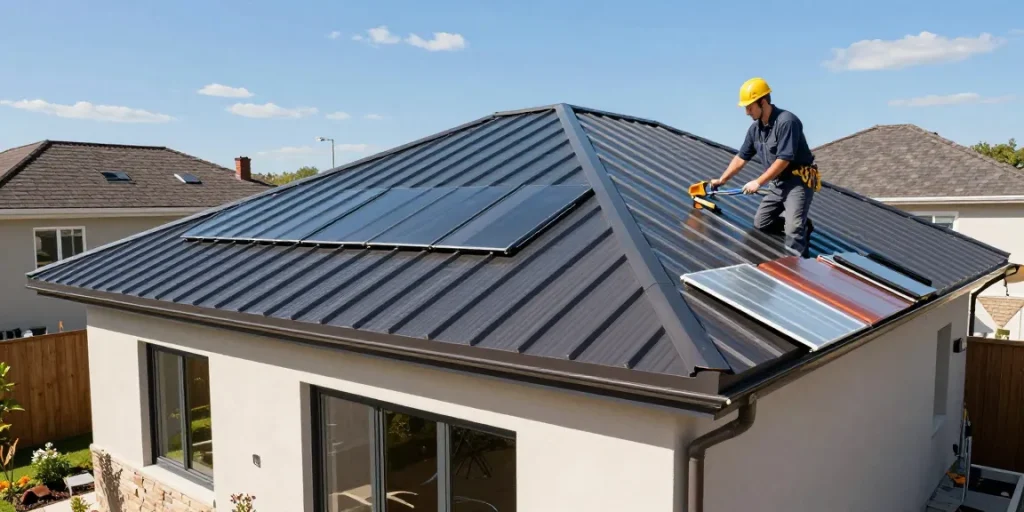

Understanding Standing Seam Roof Installation
Standing seam roofing is increasingly becoming the go-to choice for homeowners and builders seeking durability, efficiency, and style. This type of roof features raised seams that interlock, creating a stunning visual appeal and providing remarkable protection against the elements. If you’re considering a new roof, understanding the intricacies of standing seam roof installation is crucial for making an informed decision. From its robust structure to its aesthetic versatility, standing seam roofing offers an excellent long-term solution for various architectural designs.
What is a Standing Seam Roof?
A standing seam roof is a type of metal roofing system characterized by vertical panels that are joined together at the seams. Unlike traditional roofing, where fasteners are visible, standing seam roofs cover these fasteners, providing a cleaner and more streamlined look. This design not only enhances aesthetic appeal but also improves the roof’s durability and resistance to leaks.
Engineered predominantly from high-quality metals such as galvanized steel or aluminum, these roofs are available in various gauges, commonly 24 or 26, which dictate their strength and longevity. The panels are designed to expand and contract with temperature changes, which prevents buckling and damage over time. These features make standing seam roofs a staple in modern architectural designs.
Benefits of Choosing Standing Seam Roofing
- Durability: Standing seam roofing systems are built to last, able to withstand extreme weather conditions such as heavy snow loads, strong winds, and intense UV radiation.
- Energy Efficiency: These roofs are designed to reflect solar radiant heat, helping to regulate indoor temperatures and reduce energy costs throughout the year.
- Minimal Maintenance: The concealed fastening system and robust construction mean less maintenance is required compared to traditional roofing options.
- Aesthetic Appeal: Available in various colors and finishes, standing seam roofs can be customized to fit the unique style of any home.
Common Misconceptions About Metal Roofing
There are several misconceptions surrounding metal roofing that may deter homeowners from considering it for their projects. One common myth is that metal roofs are excessively noisy during rain or hail storms. However, modern standing seam roofs are installed with insulation and underlayment that significantly dampen sound. Another misconception is that metal roofs are prone to rust; in truth, high-quality metals used in standing seam designs are treated to prevent corrosion, ensuring longevity and reliability in various climates.
Key Steps in Standing Seam Roof Installation
Preparation: Assessing Your Roof Structure
The installation of a standing seam roof begins with a comprehensive assessment of your current roof structure. This involves checking for any damage, leaks, or structural weaknesses that could compromise the new roofing system. It is crucial to ensure that the roof deck is level and secure, as any imperfections can affect the new roof’s performance and longevity.
Choosing the Right Materials for Your Installation
Selecting the appropriate materials is vital in the standing seam roof installation process. The thickness and quality of the metal panels will influence the roof’s durability, aesthetic, and overall performance. Consider your local climate, the architectural style of your home, and your specific budget when making these choices. Investing in high-quality materials will yield a better return in terms of longevity and maintenance.
Step-by-Step Installation Guide
Once you’re ready to install, follow this step-by-step guide to ensure a successful outcome:
- Remove the Old Roof: If applicable, the first step is to strip the old roofing materials down to the roof deck.
- Inspect and Repair: Evaluate the roof deck for any necessary repairs and ensure it is clean and dry before proceeding.
- Install Underlayment: Lay down a waterproof underlayment to provide an extra layer of protection against leaks.
- Lay Out the Panels: Begin with the first panel, ensuring it is aligned properly with the eave and that the seams are correctly positioned.
- Secure the Panels: Fasten the panels according to the manufacturer’s guidelines, ensuring they interlock securely to create a continuous surface.
- Install Trim and Flashing: Properly install all necessary trim, including edge trim and flashing, to secure the roof and enhance its appearance.
- Final Inspection: Conduct a thorough inspection of the installation to ensure everything is correctly installed and sealed.
Energy Efficiency Considerations
How Standing Seam Roofs Help Reduce Energy Costs
One of the standout benefits of standing seam roofing is its energy efficiency. The roofing material is designed to reflect solar radiation, which helps to reduce heat absorption and cooling costs during warmer months. This reflective property contributes to a more comfortable indoor environment, ultimately lowering energy bills.
Insulation Techniques for Maximum Efficiency
To maximize energy efficiency, proper insulation is key. When installing a standing seam roof, consider using high-performance insulation materials that meet your local building codes. Spray foam insulation or rigid foam board are excellent choices that can significantly reduce thermal bridging and enhance energy performance.
Choosing Energy-Efficient Finish Options
Selecting energy-efficient finishes can further enhance your roof’s performance. Look for coatings and finishes that feature reflective pigments or solar-reflective technologies designed to improve your roof’s energy efficiency. By doing this, you ensure long-term cost savings and environmental benefits, making your standing seam roof an even smarter investment.
Maintenance and Longevity of Standing Seam Metal Roofs
Routine Maintenance Best Practices
While standing seam roofs are low-maintenance, regular inspections can help prolong their life span. Check for debris buildup, loose panels, or signs of wear and tear periodically. Cleaning the roof surface at least twice a year and addressing any issues promptly can help maintain its integrity.
Signs Your Roof Needs Repair
It’s essential to be vigilant for signs that your standing seam roof may require repairs. Common indicators include:
- Rust or corrosion on panels.
- Visible damage to seams or fasteners.
- Water stains on the interior ceiling or walls.
- Excessive granule loss if your roof has a coating.
Maximizing the Lifespan of Your Roof
To ensure the longest life possible from your standing seam roof, adhere to a routine maintenance schedule, use quality materials during installation, and choose colors and finishes that resist fading and damage from UV rays. Additionally, avoid walking on the roof unless necessary to prevent dents or scratches.
Future Trends in Roofing: What to Expect in 2026
Innovations in Metal Roofing Technology
As we move toward 2026, expect to see continued advancements in metal roofing technology. Innovations could include self-cleaning surfaces, improved energy efficiency metrics, and enhanced customizability in terms of colors and textures. These advancements will further solidify the standing seam roof’s position as a leading choice among homeowners.
Eco-Friendly Materials and Practices
With sustainability becoming increasingly important, the demand for eco-friendly roofing materials is on the rise. Future standing seam roofs will likely be made from even more sustainable metals and coatings, minimizing environmental impact while maintaining durability and performance.
The Rise of DIY Standing Seam Roof Options
As information and resources become more accessible, more homeowners are considering DIY installation for standing seam roofs. While it’s certainly feasible, it’s essential to have a solid understanding of the installation process, local building codes, and safety precautions to ensure a successful project.