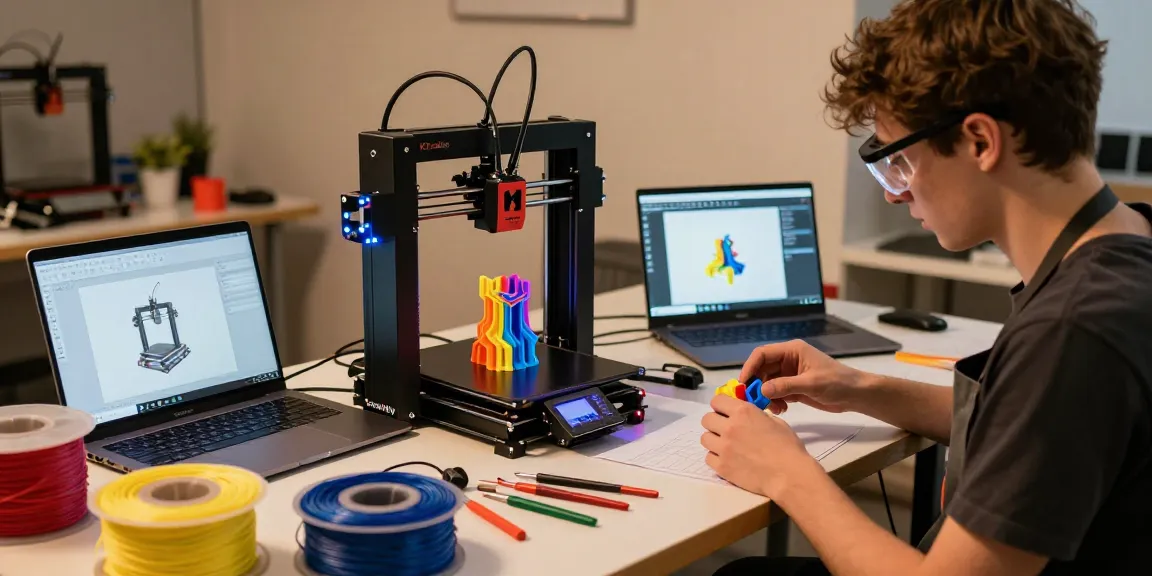
Understanding Collaboration between Brands and Creators
In a rapidly evolving digital landscape, collaboration between brands and creators has become a pivotal strategy for marketing. These partnerships not only enhance brand visibility but also create authentic connections with target audiences. Brands tapping into the creativity and reach of creators can drive engagement and build loyalty in ways traditional advertising often cannot. When exploring options, collaboration marques et créateurs provides comprehensive insights on optimizing these relationships for mutual success.
The Importance of Brand Partnerships
Brand partnerships serve as a mechanism for tapping into new markets and demographics. By collaborating with influencers or creators who resonate with a specific audience, brands can amplify their message and drive conversion. The key benefits include access to the creator’s audience, enhanced credibility, and opportunities for innovative content creation. For instance, in the fashion industry, collaborations can generate buzz and increase sales through limited-edition offerings that stir excitement among consumers.
Identifying Target Audiences for Collaborations
Understanding the audience is crucial when entering a collaboration. Brands must analyze demographics, psychographics, and behavioral trends of both their existing customers and those of potential collaborators. Utilizing tools like social media analytics and audience engagement metrics ensures that partnerships align with the target market. This alignment ensures that the partnership resonates, enhancing the likelihood of a successful outcome.
Key Types of Collaborations in the Tech Industry
Product Placement and Sponsorship
One of the most straightforward types of brand collaborations involves product placements where brands promote their products through influencers or creators in content. This could look like a gaming company sponsoring a popular Twitch streamer to showcase their new title during gameplay, providing authentic exposure to a highly engaged audience.
Creative Content Co-Creation
Co-creating content enables brands and creators to merge their creative visions while leveraging each other's strengths. This could involve a series of videos, blog posts, or even joint merchandise. It’s important for brands to provide creators with the creative freedom to ensure the content feels authentic. Collaborative campaigns are often more successful, as they tap into both parties' strengths in storytelling and engagement.
Long-Term Brand Partnerships
Long-term collaborations can deepen the relationship between brands and creators, creating a consistent message and brand identity. These partnerships foster brand loyalty and enable more sustainable marketing efforts. For instance, a beauty brand may partner with an influencer for ongoing content that aligns with product launches, thus reinforcing brand messaging over time.
Leveraging Technology for Effective Collaborations
Utilizing AI Tools for Influencer Matchmaking
Artificial Intelligence (AI) has transformed how brands identify and engage with potential collaborators. Tools utilizing AI can analyze audience data, engagement rates, and content relevance to match brands with appropriate creators. This data-driven approach minimizes guesswork and maximizes campaign efficacy, ensuring that the right partners are chosen based on alignment and potential impact.
Building Cloud-Based Collaboration Platforms
Cloud technology enables real-time collaboration and content sharing, essential for brands working with multiple creators or teams. Platforms like Google Workspace and Microsoft Teams facilitate seamless communication and project management integrated with various tools for workflow automation, making project execution more efficient.
Data-Driven Marketing Strategies
Marketers must embrace analytics to identify successful collaboration strategies. Utilizing marketing tools that provide performance metrics like engagement rates and conversion tracking can inform current and future collaborations. These insights lead to better decision-making, allowing brands to refine their approaches based on quantitative feedback.
Legal Considerations in Brand Collaborations
Understanding Contracts and Agreements
It is vital for both brands and creators to have clear contracts outlining the terms of their collaboration, including expectations, deliverables, and payment structures. Legal agreements prevent misunderstandings and ensure that both parties are on the same page regarding the collaboration's scope and objectives.
Intellectual Property Rights in Collaborations
Intellectual property (IP) rights are a critical consideration in collaborative agreements. Brands must ensure they have the right to use any content created and that creators understand their rights regarding the content produced. Clear clauses protecting IP can safeguard both parties and clarify ownership rights, thereby minimizing potential disputes.
Compliance with Marketing Regulations
Brands and creators must comply with legal and regulatory standards regarding disclosures and advertising practices. Influencers are required to disclose sponsored content to their audiences to maintain transparency. Being aware of these regulations helps brands and creators avoid legal pitfalls while fostering trust with their audiences.
Future Trends in Brand and Creator Collaborations
The Rise of UGC and Authentic Connections
User-Generated Content (UGC) is becoming increasingly influential in marketing strategies. Encouraging fans and creators to create content around a brand creates an authentic atmosphere that resonates with potential customers. This trend capitalizes on the organic connection individuals have with the content they create, promoting brand authenticity.
Influence of Social Media on Collaborations
As social media platforms continue to evolve, they will play a crucial role in fostering brand collaborations. Features that allow for direct partnerships, advertising tools, and community-building functions are becoming essential components of marketing strategies. Brands must stay ahead by actively participating and adapting to emerging social trends.
Emerging Technologies Shaping Brand Partnerships
New technologies such as augmented reality (AR) and blockchain are beginning to influence how brands approach collaborations. AR can provide immersive experiences for audiences, while blockchain can improve transparency and trust in influencer marketing, particularly regarding payments and authenticity verification.
Frequently Asked Questions
What is a Brand Collaboration?
A brand collaboration is a partnership between two or more brands or a brand and an influencer/creator with shared goals. These partnerships aim to leverage each other's strengths and reach to fulfill marketing objectives, often resulting in products, campaigns, or experiences.
How Can Creators Find Brand Partnerships?
Creators can find partnerships through networking, platforms that connect brands with creators, or by reaching out directly to brands. Building a personal brand and maintaining a consistent online presence can also attract potential partnerships organically.
What Are the Benefits of Collaborating with Brands?
Collaborating with brands can provide creators with financial compensation, increased visibility, and opportunities for content creation that they may not have access to independently. For brands, it translates to enhanced brand awareness and credibility, reaching targeted demographics effectively.